Neuromorphic Computing: The Future of Brain-Inspired Technology

Computing has gone through several revolutions in its attempt to emulate human-like intelligence and efficiency. One such state-of-the-art development is neuromorphic computing—a marriage between neuroscience and semiconductor technology, which is nothing short of fascinating. This post defines what neuromorphic computing is, how it works, and its probable applications in the real world, thereby bringing out the view of the brain-inspired technological future.

What is Neuromorphic Computing?

Neuromorphic computing, otherwise referred to as neuromorphic computing, is a type of computing that intends to work in tandem (two-seated bicycle) with the neural structure and functioning of the human brain. While traditional computing works in a binary logic scheme and serial processing, neuromorphic systems are designed to act similarly to the way information is processed in the human brain through parallel processing and synaptic plasticity.

How Does Neuromorphic Computing Work?

At the core of neuromorphic computing, one finds artificial neurons and synapses designed to replicate actions of their biological counterpart. Here is a breakdown of key components and processes involved in the process:

Artificial Neurons: These are basic units of neuromorphic systems. They tend to imitate the activity of biological neurons in a way that makes them fire and hence communicate. This is an artificial neuron that processes multiple inputs to produce an output based on a threshold mechanism like the firing of biological neurons.

Synaptic Connections: A neuromorphic system features neurons that, like those in the human brain, are synaptically connected. Artificial synapses will be able to change their strength—synaptic plasticity—depending on the received signal frequency and signal pattern. This ability to adapt and strengthen connections is key to learning and memory.

Parallel Processing: Neuromorphic systems make use of parallel processing in running highly complex tasks. In contrast to traditional computers, which process instructions one line item at a time, neuromorphic systems are capable of processing numerous information elements simultaneously, much like the human brain.

Event-Driven Computation: Traditional computers are clock-driven. In contrast, neuromorphic systems are event-driven, meaning they only consume power and process information if an event, such as when the spiking activity of connected neurons increases, occurs—an event that triggers gigantic energy efficiency.

Real-World Examples and Applications

Neuromorphic computing has huge potential across many different sectors. Here are some examples of how it can change the real world and some real-world applications:

Healthcare and Brain-Machine Interfaces:

Prosthetics: Neuromorphic computing can further be applied to create more responsive and adaptive prosthetic limbs. By copying the neural pathways in the human brain, such prosthetics can make more natural movements and fit better with the user’s nervous system.

Neuroprosthetics: Cochlear implants, retinal implants, and other such devices could employ neuromorphic technology to increase their interface capabilities with neural tissue and provide more accurate sensory feedback.

Artificial Intelligence:

Pattern Recognition: Neuromorphic systems are efficient in pattern recognition, for instance, image and speech recognition. Since they perform parallel information processing, they are faster and more accurate in identifying patterns.

Adaptive AI: Traditional artificial intelligence often lacks adaptability. Neuromorphic computing will let AI systems learn and adopt live like the human brain to make them efficient and responsive.

Autonomous Systems:

Robotics: Neuromorphic computing can give more functionality to robots, mainly in processing sensory information and decision-making in real-time. This is very important in scenarios wherein adaptation has to be fast, like search and rescue missions.

Self-Driving Cars: The parallel processing and event-driven nature of neuromorphic systems can help the decision-making speed and accuracy of self-driving cars be safer and more reliable.

Smart Infrastructure:

Smart Cities: Neuromorphic computing can be integrated into smart city infrastructure to better manage resources. For example, it can optimize the flow of traffic, reduce energy consumption, and improve public safety by analyzing huge amounts of data in real-time.

IoT Devices: Such energy efficiency in neuromorphic systems makes them very apt for Internet of Things devices, most of which are power-constrained. In this respect, such devices will be capable of performing complex computations locally, dispensing with the need for constant cloud connectivity.

Light Unique Insights into Neuromorphic Computing

While the potential applications of neuromorphic computing are enormous in number, here are a few unique insights:

Energy Efficiency: One of the standout features of neuromorphic computing is that it is very energy-efficient. It will deal only with the information required and process it in parallel. Therefore, such systems considerably reduce power consumption, making them extremely suitable for battery-operated and remote devices.

Scalability and Flexibility: Neuromorphic systems can be scaled down or up subject to the application. Because of the flexibility in which the neuromorphic technology is designed, it could be used in any type of implementation, from the smallest of wearable devices to very large-scale data processing units.

Closer to Human Intelligence: Neuromorphic computing represents a step closer to the actual achievement of true artificial intelligence. These systems are, much like the human brain, adaptive and parallel; therefore, they achieve what a traditional computer sometimes is not capable of, such as the recognition of emotions or intuitive decision-making.

Interdisciplinary Collaboration: Neuromorphic computing development and enhancement demand the integration of neuroscience, computer science, material science, and electrical engineering. This junction breeds innovation, increasing the velocity of breakthroughs.

Conclusion

Neuromorphic computing gives the world of technology an impulse to reach closer to replicating the incomparable prowess of the human brain. Applications of neuromorphic technology span healthcare, artificial intelligence, autonomous systems, and smart infrastructure. It comes with a whole set of applications that are too big and game-changing to be ignored. The more research and development conducted in this field, the more we will see neuromorphic systems becoming part and parcel of our daily lives and hence innovating and increasing efficiency across several industries. The future for brain-inspired technology is less of a far-off dream and rapidly materializing to change the way we relate to our surroundings.

Meet Devin: The Groundbreaking AI Software Engineer Shaping the Future

Devin is often credited as one of the first AI software engineers, known for their groundbreaking work in developing artificial intelligence algorithms and systems. Their contributions paved the way for AI and its applications in various domains. Devin’s work likely includes research and development in machine learning, natural language processing, computer vision, robotics, and more. As a pioneer in the field, Devin’s innovations have significantly impacted the advancement of AI technology and its integration into everyday life.

Devin is a cutting-edge artificial intelligence software created by Scott Wu’s company Cognition. It can work with users in real-time, reason for extended periods, and handle complicated coding jobs independently. Devin creates a new benchmark in AI-driven software engineering by improving productivity and expanding the bounds of innovation in the area with developer tools and the capacity to learn over time.

Understanding Cognition and Devin’s History

Devin is the founder of Cognition, an applied AI lab dedicated to improving reasoning powers. Under the direction of Scott Wu, Cognition seeks to use reasoning to open up new possibilities in a variety of academic fields. Cognition, which was founded in 2023, has attracted a lot of capital and the backing of prominent figures in the field, demonstrating its dedication to expanding the frontiers of artificial intelligence innovation.

Devin, the main product of Cognition, is the result of years of AI software engineering research and development. Its invention offers a window into a future where AI and people work together harmoniously to foster innovation and signifies a paradigm shift in the way software development jobs are performed.

Understanding Devin’s Potential

Devin differs from conventional AI tools with its remarkable range of capabilities. Devin possesses exceptional long-term reasoning and planning skills, enabling him to independently handle challenging technical assignments and make thousands of decisions. Devin, in contrast to earlier AI models, can remember pertinent context at every project phase and is constantly learning and adjusting to enhance its performance over time.

Devin also comes with a mold computing environment that houses a shell, code editor, and browser—all necessary development tools. Devin can function with the same adaptability and efficiency as a human software programmer due to this extensive toolkit. Devin is also made to actively work in combination with users, offering up-to-date status reports, accepting feedback, and participating in cooperative decision-making.

More about Devin

Devin is capable of doing a lot of different software engineering responsibilities. Devin can easily handle a variety of tasks, from mastering new technologies to creating and delivering apps on his own. It can find and fix defects in codebases, develop and improve its artificial intelligence models, and respond to problems and feature requests in public repositories.

Devin has demonstrated its abilities in the SWE-bench coding benchmark, to name one noteworthy instance. Here, Devin emerges by handling actual GitHub issues from start to finish, vastly outperforming earlier state-of-the-art models. Devin’s capacity to handle challenging coding tasks on his own is demonstrated by this accomplishment, which raises the bar for AI in software engineering.

AI’s Future in Software Engineering

There are concerns regarding Devin’s possible influence on the direction of software engineering as it keeps developing and showcasing its powers. While some worry that Devin may eliminate jobs and automate traditional engineering functions, others see Devin as an invaluable tool that enhances human skill rather than completely replaces it.

The real effect of Devin and related AI models ultimately hinges on how engineering teams apply and incorporate them into current processes. As with any technology breakthrough, the secret is striking a balance between utilizing AI’s potential to boost productivity and maintaining the distinct problem-solving skills of human engineers.

Conclusion

Devin represents a pioneering leap in artificial intelligence for software engineering. Its exceptional reasoning, learning, and collaboration capabilities promise to reshape innovation in the field. While concerns linger about its impact on traditional roles, responsible integration ensures it augments human expertise rather than replaces it, maximizing transformative potential while preserving human creativity.

Robotics Unleashed: A Thrilling Dive into the Future of Innovation

Introduction:

Robotics, a field that blends technology, engineering, and creativity, is at the heart of many innovations we see today. From the humble robotic vacuum cleaners to the sophisticated robotic arms in factories, the core of robotics lies in its ability to perform tasks autonomously or semi-autonomously. This blog post aims to simplify the core concepts of robotics, making it accessible to everyone, from beginners to those with a keen interest in the field.

The Building Blocks of Robotics

At the core of robotics are three fundamental components:

  1. Hardware: This is the physical part of the robot, including motors, sensors, and actuators. Motors provide the power to move the robot, sensors allow it to perceive its environment, and actuators enable it to interact with the world.
  2. Software: The software is the brain of the robot. It processes sensor information, makes decisions, and sends commands to the hardware to perform actions.
  3. Electronics: Robots need a power source and a way to process information. Electronics, including batteries, circuits, and processors, provide the necessary power and processing capabilities.

How Robots Learn and Adapt

One of the most exciting aspects of robotics is its ability to learn and adapt. This is achieved through a combination of:

  • Machine Learning (ML): Robots can learn from data and improve their performance over time. For example, a robot vacuum cleaner can learn to avoid certain areas or recognize different types of floors.
  • Artificial Intelligence (AI): Robots can mimic human intelligence, making decisions based on the information they gather from their sensors. This allows robots to perform tasks that require understanding and problem-solving.


Applications of Robotics

Robotics has a wide range of applications, from the mundane to the extraordinary:

  • Industrial Robots: Used in factories for tasks like assembly, welding, and packaging.
  • Healthcare Robots: Assisting in medical procedures, patient care, and even diagnosing diseases.
  • Educational Robots: Teaching children about science, technology, engineering, and mathematics (STEM).
  • Personal Robots: Companions, assistants, and entertainers that interact with humans on a personal level.


The Future of Robotics

The future of robotics is bright and full of possibilities. With ongoing advancements in AI and ML, robots are becoming more intelligent and capable of performing tasks previously thought to be beyond their reach.

  • Space Robots: Robots designed for exploration and research in space, potentially paving the way for human colonization of other planets.
  • Social Robots: Robots that can interact with humans socially, providing companionship and support.

Conclusion

The core of robotics lies in its ability to perform tasks autonomously or semi-autonomously, learn from its environment, and adapt to new situations. As we continue to explore the possibilities, robotics is set to play a crucial role in shaping our future. Whether you’re a child dreaming of a robotic pet or an adult interested in the practical applications of robotics, the world of robotics is open to everyone.

– Anant Nimbalkar

Neuralink: Beyond the Hype – Decoding the Future of Brain-Computer Interfaces

Neuralink, the brain-computer interface (BCI) company backed by Elon Musk, has captured the public imagination with its promise of superhuman cognitive abilities and seamless integration with technology. But beyond the headlines and futuristic visions, what’s the true story behind Neuralink? This blog peels back the layers, exploring the potential, challenges, and ethical considerations surrounding this groundbreaking technology.

From Sci-Fi to Reality:

Imagine controlling your prosthetic limb with your thoughts, streaming information directly to your brain, or even enhancing your memory and focus. These were once the stuff of science fiction, but with Neuralink’s ultra-thin threads implanted in the brain, these possibilities inch closer to reality. The core technology involves tiny electrodes that can record and stimulate neural activity, creating a two-way communication channel between the brain and a computer.

Beyond Motor Control:

While restoring motor function in paralyzed individuals is Neuralink’s initial focus, the ambitions stretch far beyond. Treating neurological disorders like Parkinson’s and depression, augmenting memory and cognitive abilities, and even creating a “symbiosis with artificial intelligence” are some of the long-term visions. However, it’s crucial to remember that these are just that – visions. Significant scientific and technological hurdles remain, and the ethical implications demand careful consideration.

Unveiling the Undiscovered:

Let’s delve into some lesser-known aspects of Neuralink:

  • The Animal Question: Concerns have been raised regarding animal testing practices, with accusations of violating animal welfare standards. Neuralink emphasizes its commitment to ethical research but transparency and independent oversight are crucial.
  • The Data Frontier: Neuralink’s ability to access and manipulate brain data raises serious privacy and security concerns. Robust legal frameworks and user control mechanisms are essential to safeguard against potential misuse.
  • The Accessibility Gap: As with any revolutionary technology, affordability and accessibility are critical. Will Neuralink be available only to the privileged few, exacerbating existing inequalities?

The Road Ahead:

Neuralink represents a giant leap in BCI technology, but it’s not without its challenges. Responsible development, open dialogue, and addressing ethical concerns are paramount to ensure this technology benefits humanity, not just a select few. As we navigate this uncharted territory, one thing is certain: the future of brain-computer interfaces is full of promise, but also fraught with complexities. It’s up to us to ensure it’s a future for all, built on ethical foundations and responsible progress.

What do you think? Are you excited about the potential of Neuralink, or do the ethical concerns give you pause? Share your thoughts in the comments below!

Remember, this is just the beginning of the conversation. As Neuralink continues to evolve, so too will the dialogue surrounding its potential and pitfalls. Stay informed, stay engaged, and let’s shape the future of this transformative technology together.

– Kanchan Patil

The Evolution of Digital Marketing Trends in 2024

Introduction

Staying updated on digital marketing trends is crucial for marketers to remain competitive and effective in reaching their target audience. It allows for the timely adoption of new technologies, strategies, and platforms, optimizing campaigns, enhancing customer experiences, and ensuring compliance with evolving regulations. In the rapidly changing digital landscape, staying informed is key to staying ahead and achieving sustained success in online marketing efforts.

The fast-paced nature of the digital landscape demands marketers to swiftly adapt to technological advancements, changing consumer behaviors, and emerging trends. This constant evolution requires agile strategies, quick decision-making, and a proactive approach to stay relevant and effective in digital marketing.


Changes in Social Media Algorithms & The Rise of Niche Platforms


Facebook Algorithm Updates for 2024

  • Posts in Groups and Events are given priority by the Facebook algorithm. Based on their transformation, these are given more attention because they are “the two biggest reasons people visit Facebook every day.”
  • Facebook has included suggested hashtags listings to your post-composition.


Instagram Algorithm Updates for 2024

  • Try different Instagram Reels to entice in and engage viewers.
  • Within the first hour following a post, interact with your followers.
  • After you post something, reply to every remark within the first three hours.
  • Compose insightful captions.
  • To improve audience engagement, pose questions in your captions.
  • Try out various hashtags and hashtag techniques; there is no one right way to use them.
  • Use Instagram Stories to increase your audience’s organic reach without changing the unified aesthetic of your feed.
  • Remain dependable! Random posts will result in a downgrading from this algorithm. Depending on your schedule, you should post once a day, once every other day, or twice a week.

LinkedIn Algorithm Updates for 2024

  • Make use of the profiles of employees and business owners rather than simply the business page.
  • Post a variety of material, including text, pictures, and videos. Determine which receives the greatest ratio of impact to effort.
  • Remain dependable! If you post at random, this algorithm will undoubtedly lower the quality of your content. Most people seem to find that blogging four times a week is the sweet spot, but if you want to step it up, start posting once a day. Increasing your track record is crucial.
  • Posting external links on occasion is perfectly OK. You should be ready to go if you just make sure the remainder of your content is optimized for the algorithm.
  • Make sure your content has the potential to start a discussion.


Emerging Technologies in Digital Marketing

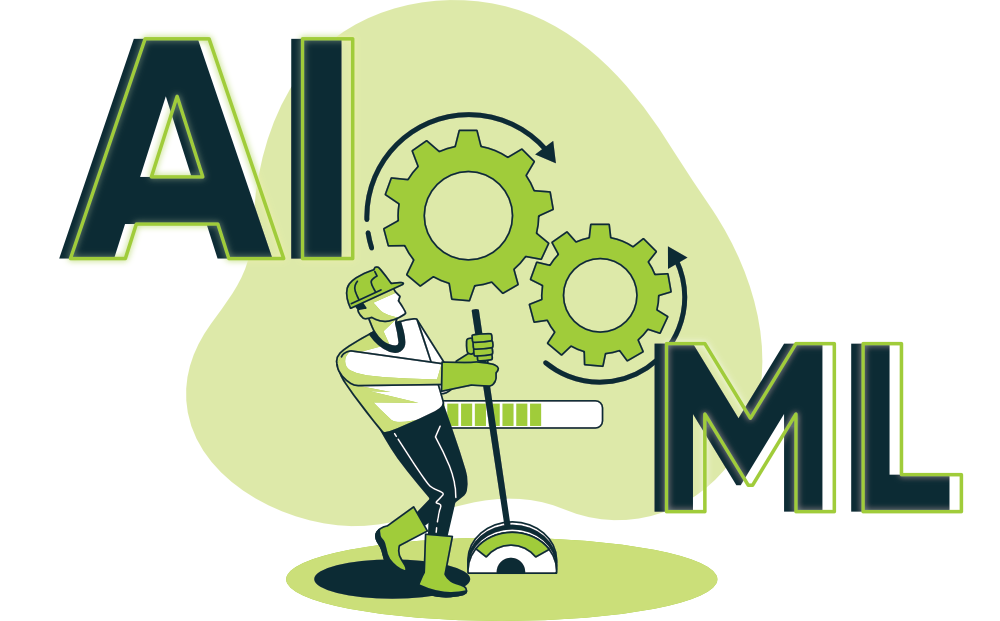
Artificial Intelligence (AI) and Machine Learning (ML)


AI (Artificial Intelligence) and ML (Machine Learning) are reshaping digital marketing by introducing advanced capabilities that enhance personalization and streamline customer interactions:

  1. AI and ML are revolutionizing digital marketing by infusing data-driven intelligence into various facets of the industry.
  2. Chatbots, powered by AI, provide instant and personalized interactions with users, offering efficient customer service and streamlined communication.
  3. These technologies enable marketers to go beyond generic approaches, optimizing strategies based on predictive analytics and behavioral targeting.
  4. Personalized content recommendations leverage machine learning algorithms to analyze user behavior and preferences, delivering tailored content that enhances user engagement and conversion rates.
  5. The result is a more personalized and responsive digital marketing ecosystem, where content, interactions, and strategies are dynamically adapted to meet individual user needs, fostering stronger connections and driving business success.


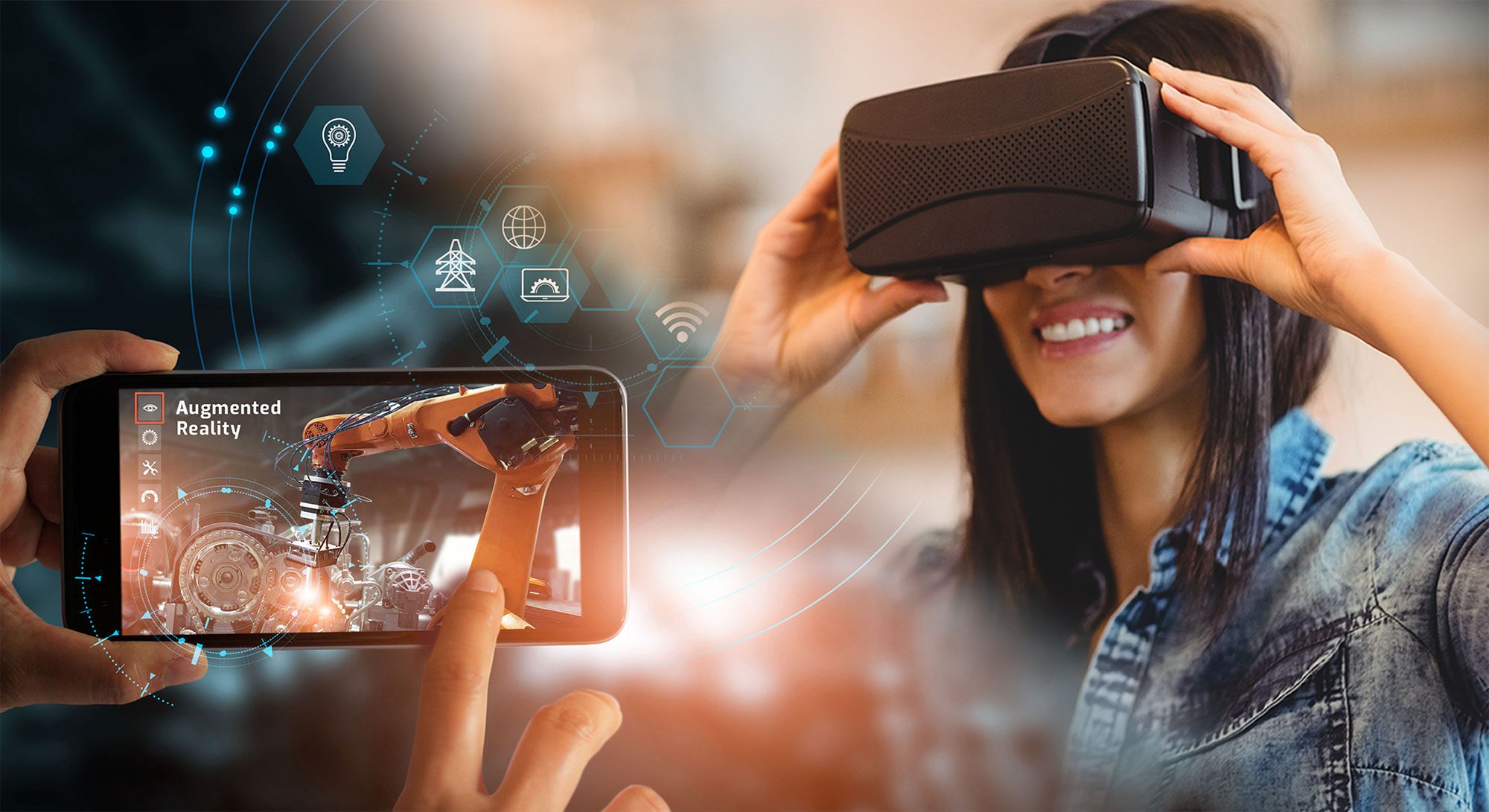
Augmented Reality (AR) and Virtual Reality (VR)


Augmented Reality (AR) and Virtual Reality (VR) have become integral to modern marketing campaigns, enhancing consumer engagement through immersive experiences.

  1. AR is often employed for virtual product trials, allowing consumers to visualize products in real-world settings before purchase.
  2. Both technologies are leveraged in advertising, creating interactive and memorable experiences.
  3. AR-enhanced advertisements, accessible through smartphones or AR glasses, enable users to engage with brands by scanning images or products for additional information or interactive elements.
  4. For example, furniture retailers utilize AR apps enabling customers to see how a sofa fits in their living room. VR, on the other hand, offers immersive storytelling experiences, transporting consumers to virtual environments related to a brand or product.
  5. These practical applications not only captivate audiences but also provide valuable insights into consumer preferences and behaviors, making AR and VR powerful tools for modern marketing strategies.


Voice Search Optimization

The growing prevalence of voice search has reshaped the landscape of SEO and content strategy, demanding a shift towards more conversational and natural language.

  1. Voice-activated devices like smart speakers and virtual assistants prioritize concise and direct answers.
  2. Businesses need to optimize their digital content by focusing on featured snippets, as they often serve as the source for voice search responses.
  3. Structuring content in a question-and-answer format, employing natural language in writing, and ensuring mobile optimization are crucial.
  4. Local businesses should also emphasize location-based keywords to capture voice searches for nearby services.
  5. Regularly updating and maintaining accurate business information on online platforms further enhances visibility in voice search results.
  6. As voice search continues to gain prominence, adapting content and SEO strategies to align with user-friendly and conversational queries becomes imperative for digital success.


Evolving Consumer Behavior

The Impact of Privacy Concerns

Privacy has become a critical factor in consumer decision-making, influencing trust and brand loyalty. With a heightened awareness of data breaches and concerns over personal information misuse, consumers are prioritizing privacy in their choices.

  1. Businesses are adapting their marketing strategies by emphasizing transparent data practices, obtaining explicit consent for data collection, and prioritizing cybersecurity measures.
  2. Personalized marketing approaches are being fine-tuned to respect user privacy boundaries, ensuring that data is used responsibly.
  3. Brands that communicate and demonstrate a commitment to privacy are gaining a competitive edge, as consumers increasingly choose companies that prioritize and safeguard their personal information.
  4. This shift in consumer sentiment is prompting businesses to reevaluate and recalibrate their marketing strategies to align with evolving privacy expectations.


Shifts in E-Commerce Behavior

Online shopping behavior has undergone significant changes, largely influenced by the digital marketing landscape. The convenience of e-commerce, accelerated by targeted digital marketing efforts, has led to a surge in online purchases.

  1. The rise of social commerce, and the integration of shopping features into social media platforms, has further transformed the way consumers shop.
  2. Digital marketing plays a pivotal role in driving traffic and conversions on these platforms, leveraging influencer marketing, personalized advertisements, and shoppable content.
  3. Social commerce offers businesses a direct and seamless way to engage with customers, enabling transactions within social media environments.
  4. This shift has profound implications for businesses, necessitating a strong online presence, strategic use of digital marketing channels, and the ability to adapt to evolving consumer preferences in the dynamic realm of social commerce.

Personalization and Customer Experience

Hyper-personalization in Marketing

The demand for personalized marketing experiences has become a driving force in consumer engagement, and data-driven personalization plays a crucial role in meeting these expectations.

  1. Brands are leveraging customer data to tailor content and interactions based on individual preferences, behaviors, and demographics.
  2. Companies like Amazon excel in this realm, utilizing sophisticated algorithms to recommend products based on browsing and purchase history.
  3. Streaming services like Netflix provide personalized content recommendations, and Spotify curates playlists based on user listening habits.
  4. By harnessing the power of data-driven personalization, these brands not only enhance customer satisfaction but also foster brand loyalty by delivering tailored experiences that resonate with individual preferences.


Conclusion

This blog highlights several key trends in digital marketing, emphasizing the necessity for businesses to adapt to ensure sustained success. Key trends include the rapid evolution of consumer behavior, advancements in technology, the impact of social media dynamics, and the transformative influence of AI and ML. Staying updated on these trends is crucial for marketers to optimize campaigns, enhance customer experiences, and maintain a competitive edge. The importance of personalized marketing experiences, the rise of social commerce, and the growing significance of privacy in consumer decision-making are also underscored. The overall message is clear in the dynamic digital landscape, businesses must proactively adapt their strategies to align with emerging trends, ensuring relevance and effectiveness in the ever-evolving field of digital marketing.

At Nullplex Software Pvt. Ltd. our team of experienced digital marketers can help you create and execute a custom digital marketing strategy that is tailored to your business needs and objectives. We use a variety of digital marketing tools and techniques to reach your target audience, increase brand awareness, and drive more traffic to your website.

Artificial Intelligence (AI): Reshaping the World, One Industry at a Time

Artificial intelligence (AI) is no longer a sci-fi trope; it’s rapidly woven itself into the fabric of our lives, and its impact on various industries and technologies is only gaining momentum. Buckle up, because we’re about to peek into the crystal ball of AI’s transformative power.

  1. Healthcare: Diagnosis 2.0 and the Rise of Robotic Doctors:

Imagine AI algorithms analyzing your medical scans with superhuman precision, spotting diseases before symptoms even appear. Or picture robotic surgeons performing delicate procedures with unmatched dexterity. This is the future of healthcare, where AI will revolutionize diagnostics, personalize treatment plans, and even assist in surgery, leading to better outcomes and a healthier population.

  1. Finance: Wall Street Gets Smarter (and Faster):

Forget high-strung brokers yelling on the phone; AI-powered algorithms are now analyzing market trends, predicting crashes, and automating trades with lightning speed. This will bring about a new era of efficient and data-driven finance, making investments more accessible and potentially reducing financial inequality.

  1. Retail: The Personalized Shopping Experience:

Gone are the days of aimless wandering through department stores. AI will personalize your shopping experience, suggesting products based on your past purchases, browsing habits, and even your mood. Imagine virtual mirrors recommending outfits that flatter you, or smart shelves adjusting prices based on demand. Retail is about to get a whole lot more intelligent and interactive.

  1. Transportation: Self-Driving Cars and the Reimagined City:

The roads of tomorrow will be populated by self-driving cars, navigating with pinpoint accuracy and reducing traffic jams to a distant memory. This will not only revolutionize transportation but also reshape our cities, making them more efficient and environmentally friendly. Imagine reclaiming the space currently occupied by parking lots and transforming it into green spaces or vibrant public squares.

  1. Education: Learning Gets Tailored and Engaging:

Imagine AI tutors that adapt to each student’s individual learning pace and style, creating personalized learning plans that make education engaging and effective. AI will also revolutionize classroom experiences, bringing virtual reality simulations and interactive 3D models to life, transforming learning from rote memorization to immersive exploration.

Of course, the rise of AI also brings challenges like job displacement and ethical concerns. However, by navigating these challenges responsibly and ensuring AI serves humanity, we can unlock its potential to create a more efficient, healthier, and prosperous future for all.

– Nishigandha Kardak.

Neural Networks: The Brain-Inspired Tech Behind AI

Neural networks are a fascinating concept in the world of artificial intelligence (AI). They’re essentially computer programs inspired by the structure and function of the human brain, allowing machines to learn and process information in a way that’s more human-like than traditional programming.

Imagine this: You show a child pictures of cats and dogs. Over time, the child learns to distinguish between the two animals. A neural network does something similar but with much more data and much faster processing power.

So, how do these brain-inspired programs work?

  • Think of neurons: In the brain, neurons are cells that communicate with each other through electrical signals. In a neural network, these neurons are represented by mathematical functions called “nodes.”
  • Nodes are connected: Just like neurons have axons and dendrites, nodes in a neural network are connected by “weights.” These weights determine the strength of the signal passing between nodes.
  • Learning through layers: Neural networks are typically organized in layers. Information flows from the input layer (think of it as your eyes or ears) through hidden layers (where the processing happens) to the output layer (your voice or actions).
  • Adjusting the weights: As the network processes data, the weights between nodes are adjusted based on the results. This is like how the brain strengthens or weakens connections between neurons based on experience.

What can neural networks do?

  • Recognize patterns: They’re great at identifying patterns in data, like images, speech, or text. This makes them useful for tasks like image recognition, voice assistants, and machine translation.
  • Make predictions: Based on what they’ve learned, neural networks can make predictions about future events or data. This is used in weather forecasting, stock market analysis, and fraud detection.
  • Adapt and learn: Unlike traditional programs, neural networks can continuously learn and improve as they’re exposed to more data. This makes them incredibly versatile and powerful.

Neural networks are still under development, but they’re already revolutionizing many fields. From healthcare and finance to self-driving cars and virtual assistants, the possibilities are endless.

Here are some things to keep in mind about neural networks:

  • They can be complex: Building and training neural networks can be computationally expensive and require specialized expertise.
  • They need data: The more data a neural network is trained on, the better it will perform.
  • They can be biased: If the data used to train a network is biased, the network will reflect that bias.

Overall, neural networks are a powerful tool with the potential to change the world. As they continue to evolve, we can expect even more incredible applications in the years to come.

– Anant Nimbalkar.

Career Hire Us
Request Callback

Got An Idea?

Let’s Build It.

Tell us what you need, and our team will guide you from concept to launch with clarity, speed, and expert care.